
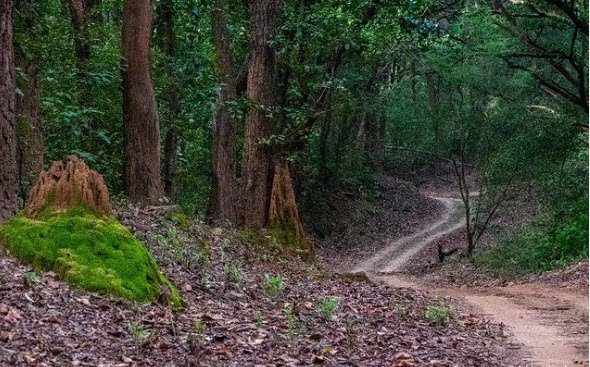
If you are searching for Ranthambore zones 6 to 10, you are probably deciding whether the outer zones are worth a safari. The short answer is yes, especially if you want quieter forest roads, birdwatching and a calmer drive. They feel very different from the famous lake zones, so it helps to know what to expect before you book your Ranthambore safari.
Quick answer
Zones 6 to 10 are the outer zones of Ranthambore National Park. They offer open grassland, quieter forest tracks and more birdlife. Tigers do move through these areas, but sightings are less predictable than in the core zones. If you want a full comparison of all ten routes before you choose, read our best zone for Ranthambore safari guide.
What makes zones 6 to 10 different?
The core zones (1 to 5) are built around the big lakes, the fort and the old tourist routes, so they are busier and book up fast. Zones 6 to 10 were added later in the outer parts of the reserve. They are more open or remote, and vehicle lines are often thinner. That means you may spend more time watching a forest scene with no other jeep in sight. This suits photographers, birdwatchers and families who want a slower pace.
Zone-by-zone look at the outer routes
- Zone 6 (Kundal): open grasslands with hill backdrops. A good choice for quiet, open-landscape drives.
- Zone 7 (Chidikho): quieter mixed forest and hilly tracks. Suited to less crowded, adventure-style drives.
- Zone 8 (Balas): rugged hill slopes and rock formations. Good for rocky terrain and birdlife.
- Zone 9 (Kuwalji): remote forest and river banks along the Chakal river. Known for aquatic birds and a remote river drive.
- Zone 10 (Aantri): hilly tracks and water bodies. Strong for birdwatching, especially in winter.
Route points are indicative and can be changed by the Forest Department, so treat them as a guide rather than a promise.
What can you see in the outer zones?
Birds are the biggest attraction. Open grassland and mixed forest are good for raptors, woodpeckers and seasonal visitors, so carry binoculars. Our safari gear checklist covers lenses, colours and clothing. Deer and antelope are common, and often easier to spot than a tiger. Leopards and sloth bears are possible but never guaranteed. Our jungle safari bucket list has more ideas for what to look for on every drive.
Zones 6 to 10 vs core zones 1 to 5
| Factor | Zones 1 to 5 (core) | Zones 6 to 10 (outer) |
|---|---|---|
| Tiger sightings | More predictable, most-visited routes | Possible, less predictable |
| Crowd on the road | Busier | Quieter |
| Landscape | Lakes, fort views, classic scenery | Open grassland, hills and forest |
| Best for | First-timers focused on tigers | Birdwatchers, photographers, calm trips |
| Weekly closing day | Wednesday | Tuesday |
Closing days: check before you book
Zones 01 to 05 are closed on Wednesdays, and zones 06 to 10 are closed on Tuesdays. If your trip falls on a Tuesday, the outer zones are not an option that day. Plan your dates with our timings and closing days guide, which also covers the main season.
How to plan a zone 6 to 10 safari
- Pick your date and confirm it is not a closing day for the zones you want.
- Choose your vehicle. A Jeep is quieter and more flexible. A Canter is budget-friendly for groups. Compare them in our Jeep vs Canter guide.
- Understand the booking windows and quota rules in the Ranthambore safari booking guide.
- Accept that zones are allotted by the Forest Department. You can request a zone, but you cannot guarantee it.
- Carry your ID. The name on the booking must match the ID you show at the gate.
Combine core and outer zones on one trip
Many repeat visitors book one core-zone safari and one outer-zone safari. This gives you a fuller picture of the park and better overall chances. To understand the tigers you may see, read about the famous tigers of Ranthambore and the tiger stories that shaped the park. For the wider picture, see Ranthambore National Park: history, zones and wildlife and what the park is famous for.
Where to stay for outer-zone safaris
Staying close to the gates helps with early starts, which matter most for birdwatching and quiet morning drives. Compare the stays in our Ranthambore hotels and resorts guide. After a safari, you can visit the Ranthambore Fort and Trinetra Ganesh Temple, which are easy to add to your plan.
Book your zone 6 to 10 safari with Wildaddis
Share your date, vehicle type and the full name and ID details of each guest. We will check availability and confirm your seats. You can compare options on our Ranthambore safari packages page, or contact the Wildaddis team on phone or WhatsApp for help choosing a zone. Our about page explains who we are and how we work.
Common mistakes on outer-zone safaris
- Booking a Tuesday without checking. The outer zones are closed that day, so the safari would be lost. Check the closing days guide first.
- Expecting a tiger on every drive. Outer-zone trips reward patience. Plan at least two safaris, so one quiet drive does not define your whole trip.
- Ignoring the booking terms. Zones and vehicles are allotted by the Forest Department, so read the booking terms before you pay.
- Skipping binoculars. Birds are a big part of the outer zones, so a good pair of binoculars changes the experience.
Best season for outer zones
The main season runs from 1 October to 30 June, so outer-zone safaris are available for most of the year, apart from Tuesdays. Winter is especially good for birdwatching in zones such as Zone 10. For a season comparison, see our best time to visit Ranthambore guide. Our tigers of Ranthambore article also explains how tiger movement changes across seasons.
New to the park? Begin with the park history guide, then come back here to choose your outer route.
Frequently asked questions
Book Your Ranthambore Tiger Safari
Local experts · Jeep & Canter · Tatkal & Premium assistance