
Choosing the right zone can shape your whole Ranthambore safari. The park has 10 safari zones, and each one has different lakes, terrain and wildlife. This guide compares all of them so you can pick the zone that suits your goal: tiger sightings, photography, birdwatching or a quieter drive.
1. Short answer: which zone is best?
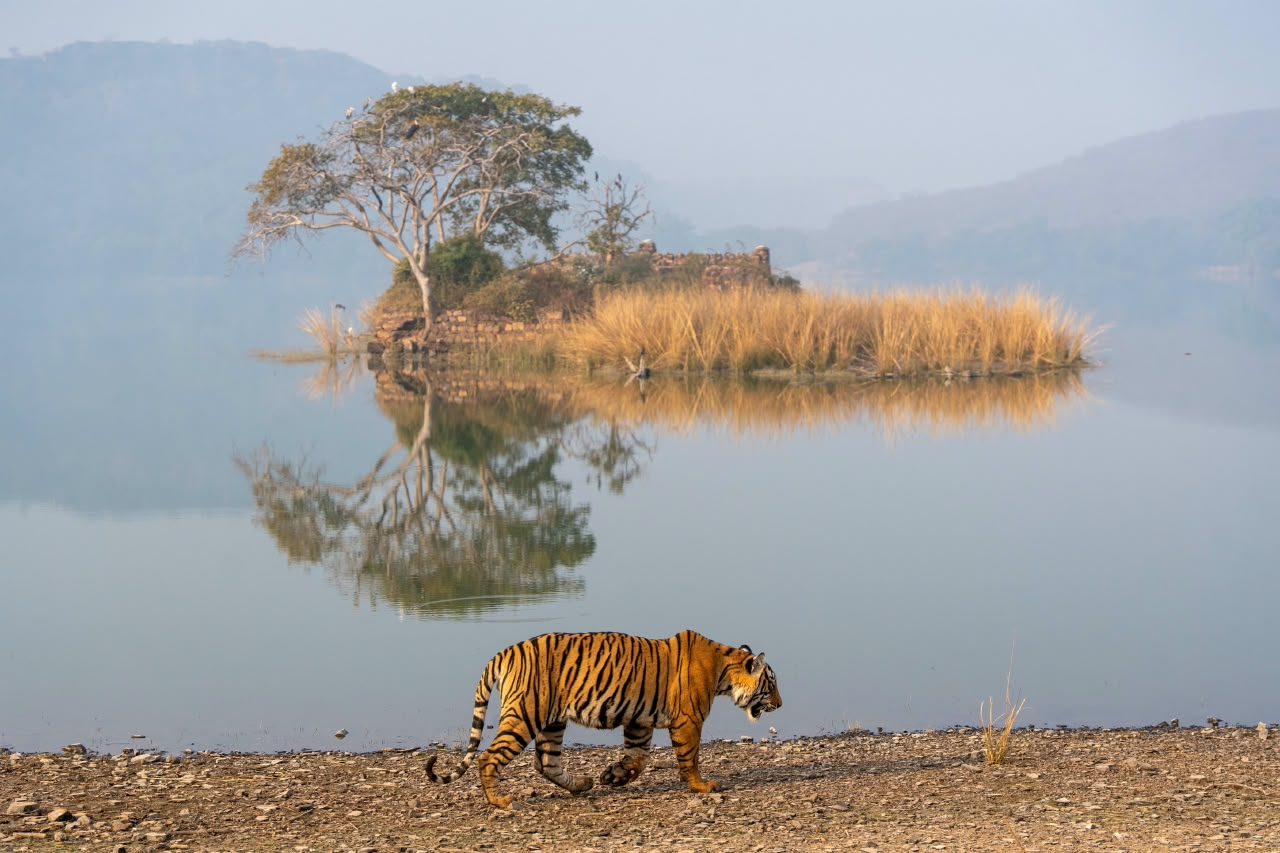
Zone 3 (Padam Talao) is the zone most often recommended for first-time visitors and photographers. It has open lake views, the old Jogi Mahal lodge and the Ranthambore Fort in the background, and it is a popular choice for tiger sightings near water. But no zone can guarantee a tiger, because tigers move between territories every season. Zones 2, 4 and 5 are also strong core zones, and the outer zones (6 to 10) give you a quieter drive.
Our advice: book two or three safaris in different zones, rather than putting all your hopes on one drive.
2. How the 10 Ranthambore safari zones work
The park is divided into 10 safari zones to spread vehicles across the forest and protect wildlife. Your zone is allotted by the Forest Department, and each vehicle stays in its allotted zone for the whole safari. Before you plan, keep these basics in mind:
- Zones 1–5 are the original tourism zones around the lakes and the fort.
- Zones 6–10 were added later in the outer parts of the reserve to reduce pressure on the core area.
- Closing days: Zones 01–05 are closed on Wednesdays, and Zones 06–10 are closed on Tuesdays.
- Season: the main safari season runs from 1 October to 30 June. Core zones close for the monsoon.
3. Zone-by-zone comparison (Zone 1 to 10)
| Zone | Main area | Key route points | Landscape | Best for |
|---|---|---|---|---|
| Zone 1 | Singhdwar | Amreshwar Dang, Tuti ka Nalla, Sultanpur, Gada Dub, Peela Pani | Dry forest, rocky nullahs, water holes | Deep-forest drives and history lovers |
| Zone 2 | Jogi Mahal | Jhalra, Kamaldhar, Amrai, Phoota Bandha, Guda | Dense forest, springs and water holes | Forest drives and waterhole watching |
| Zone 3 | Padam Talao | Padam Talao, Rajbagh, Mandook, High Point | Big lakes with views of the fort | First-timers, photographers, families |
| Zone 4 | Malik Talao | Tamakhan, Malik Talao, Lakarda, Berda, Semli, Adidaant | Lakes, streams and Dhok forest | Lake scenery and classic core-zone sightings |
| Zone 5 | Kachida | Jokha, Kachida Valley, Dhakda, Baghda, Bakola, Anantpura | Hills and valleys | Leopard and sloth bear habitat |
| Zone 6 | Kundal | Palli Darwaza, Kundal, Patwa Baori, Sonkach, Kala Pani | Open grasslands with hill backdrops | Quiet, open-landscape drives |
| Zone 7 | Chidikho | Chidikho, Jamoda, Kushalipura | Quieter mixed forest, hilly tracks | Less crowded adventure drives |
| Zone 8 | Balas | Balas, Neemli Dang, Kali Bhat, Kherai, Mahakho | Rugged hill slopes and rock formations | Rocky terrain and birdlife |
| Zone 9 | Kuwalji | Kuwalji area, along the Chakal river | Remote forest and river banks | Aquatic birds and a remote river drive |
| Zone 10 | Aantri | Kushalipura, Bodal, Halonda, Banskhori, Aantri | Hilly tracks and water bodies | Birdwatching, especially in winter |
Route points are indicative and may be changed by the Forest Department.
4. Core zones vs outer zones
Core zones (1–5) have the most lakes and the most established tiger territories. They are also the most in demand, so they tend to get booked fast and attract more vehicles.
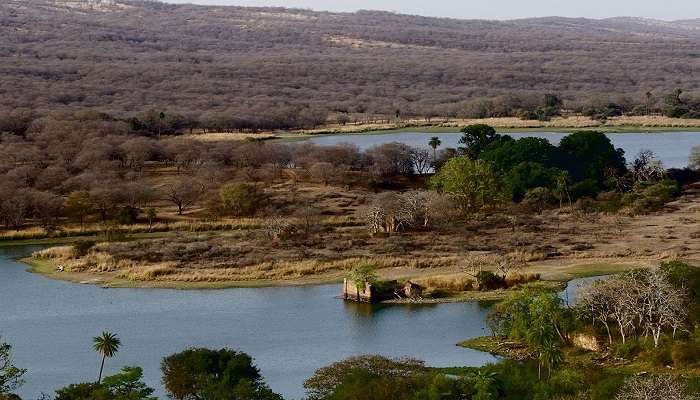
Outer zones (6–10) have wider, more open or remote routes, fewer vehicles and a calmer atmosphere. They are great for leopards, birds and landscapes. Tigers do use these zones too, so do not skip them just because they are outer zones.
5. Best zone by traveller type
- First-time visitors: Zone 3 (Padam Talao) or Zone 4 (Malik Talao) for open lake views and classic scenery.
- Photographers: Zone 3, where the lakes and the fort make strong backdrops. Morning light on the water is a favourite.
- Birdwatchers: Zones 9 and 10, plus the lake areas of Zone 3. The park has more than 300 recorded bird species.
- Families with children: Zone 3 for open, less rocky lake routes, or Zone 6 for a comfortable grassland drive.
- Quiet, unhurried drives: Zones 6, 7 and 8, where you will usually find fewer vehicles.
- Leopard and sloth bear lovers: Zone 5 and Zone 8, where the rugged, rocky terrain suits these animals.
6. Tips for better sightings
- Book 2–3 safaris in different zones, mixing morning and afternoon drives.
- Summer (March to June) is when tigers visit waterholes most often, but afternoons are hot. Carry water and a hat.
- Winter (October to February) is pleasant for birds and comfortable for longer drives. Carry warm layers for the open jeep.
- Report at the entry gate at least 30 minutes before your departure time.
- Sightings are never guaranteed. Tigers move, so enjoy the forest even if the big cat does not appear.
7. Tigers move between zones
Tigers set up territories around lakes, valleys and the fort area, and their ranges often overlap several zones. A tigress may raise cubs in one area and move to another later. That is why this guide compares zones by landscape and visitor experience rather than by individual tiger names. To learn about the famous tigers of Ranthambore, read Discover the Majestic Tigers of Ranthambore and the famous tigers table in our Ranthambore National Park guide.
8. Planning and booking your zone
Zones are allotted by the Forest Department at the time of booking, so you may not always get the zone you want. Plan your dates first, then check our Ranthambore safari booking guide for the advance, Tatkal and Premium quota windows. Once a booking is confirmed it cannot be cancelled or refunded, and any change to an issued booking is treated as a cancellation. Please read the terms and conditions before paying.
Foreign guests can also look at our Tatkal separate jeep for foreigners page.
9. Frequently Asked Questions
Still not sure which zone to choose? Talk to our Ranthambore team and we will suggest the best zone for your dates, or browse our safari packages.
Book Your Ranthambore Tiger Safari
Local experts · Jeep & Canter · Tatkal & Premium assistance